
Research-led cultivation brand
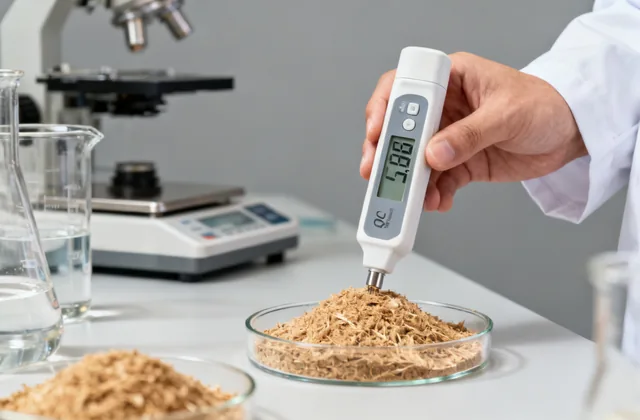
From colony purity audits to substrate moisture trials, our laboratory teams translate mushroom and crop cultivation science into procurement-ready acceptance criteria.
Every Mycelia lot ships with a reviewable chain: strain identity, inoculation window, moisture band and the sensor cadence growers need to prove the room can hold it.
Mycelia Cultivation Specs Charter — revised March 2025
Mycelia formed its cultivation-specs practice around a simple procurement failure mode: growers were comparing spawn catalogs without humidity bands, substrate moisture gates or colony-purity audits attached. Between 2021 and 2025 we rebuilt RFQ packs so Farm Owners, Agronomists and Agribusiness Procurement Managers could score shiitake grain spawn, polypore mycelia cultures and hardwood substrate blends against the same acceptance table used inside our Madison trial rooms.
We do not pretend every climate will hold an 85–95% RH pinning band. Coastal salt air, high-dust grain elevators next door and shared RAS plant rooms all change filtration load. When those constraints appear in a brief, Mycelia documents them before inoculation tooling ships rather than burying them in a warranty footnote.
Lab facilities
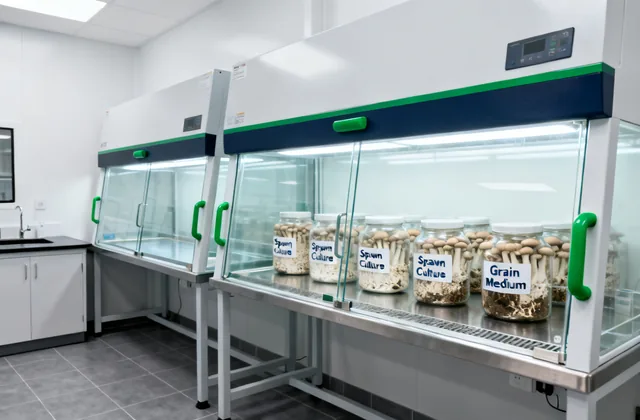
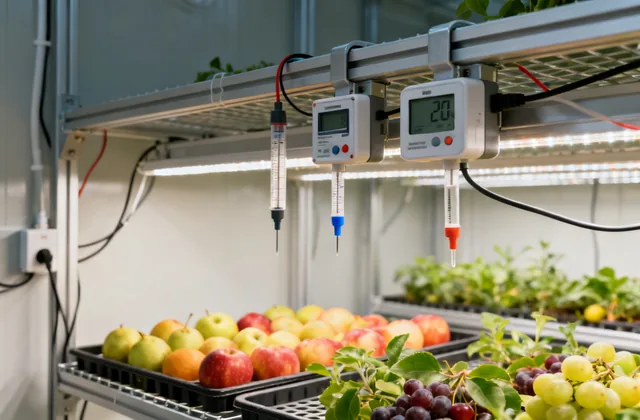
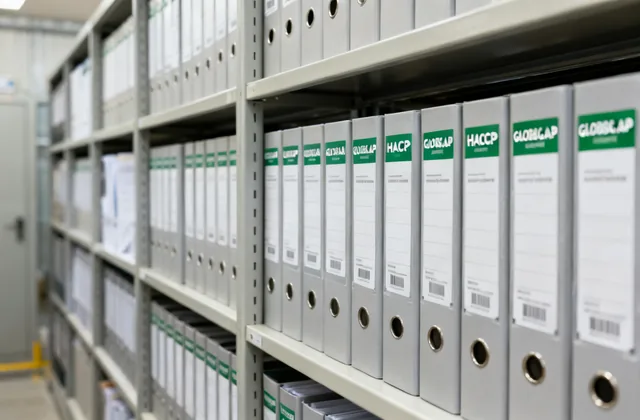
Facilities combine sterile culture benches, retort validation cells and instrumented grow rooms so agronomists can challenge brochure numbers before export paperwork begins.
Publications & downloads
Fourteen-to-twenty-one day colonization curves with temperature hold notes and plate-audit thresholds used in commercial houses.
Compares 58%, 62% and 65% wet-basis recipes against first-flush kilograms per bag under fixed CO2 bands.
Summarizes light transmission and insulation trade-offs when mushroom houses share a Venlo greenhouse bay for nursery crops.
Book a 30-minute review of colony purity workflows, retort validation and grow-room sensor packs before you finalize a spawn purchase order.